The Zhu Lab
Tissue Engineering and Organoid Systems
Tissue engineering in our lab integrates Bioactive materials or scaffolds, Drug delivery, and Stem cells for tissue regeneration and repair. Bioactive materials are substances that interact with or stimulate a response from living tissue. They are specifically designed to produce a specific biological response at the surface of the material, leading to the formation of a bond between the material and the living tissues.
Human organoids are three-dimensional, miniaturized tissue systems derived from human stem cells that self-organize in vitro to reproduce key structural, cellular, and functional features of native organs. Compared with traditional two-dimensional cultures, they better capture tissue architecture, cell–cell interactions, and spatial gradients of signaling and nutrients, enabling more physiologically relevant modeling of human biology. Because they retain human-specific molecular and cellular characteristics, organoids can provide more predictive insights than animal models for studying disease mechanisms, as well as for drug screening and therapeutic development. However, they remain simplified systems that typically lack full vascularization, immune components, and systemic integration, therefore complement rather than fully replace in vivo models.
Bioceramics
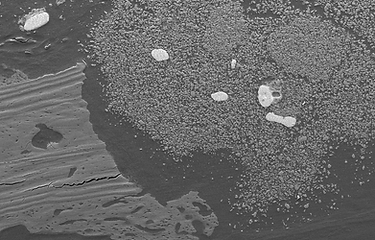
Our laboratory is exploring the use of 3D-printed bioactive ceramic materials for bone regeneration. These ceramics can be augmented by combining them with metals, doping with other materials, or incorporating cells to create hybrid scaffolds that enhance regeneration outcomes.
Hydrogels
Our lab is developing injectable hydrogels for the healing of nonunion bone fractures, particularly in patients with osteoporosis, diabetes, or other conditions. These hydrogels are valued for their ability to be molded into unique shapes and their potential to facilitate targeted drug release.

Bioactive Polymers
Our lab is investigating the use of 3D-printed, bioactive, and bioresorbable polymer scaffolds to enhance bone regeneration in critical size defects. These materials can also be combined with ceramics or metals to improve the outcomes.
.jpg)
Biodegradable Metals
Our lab is developing biodegradable metals, including magnesium- and zinc-based alloys, for use in orthopedic, vascular, and cardiac applications, such as bone fixation devices, bone scaffolds, stents, and cardiac pacing wires.

Nanomaterials
Our lab is investigating the use of nanomaterials as an innovative therapy for arthritis and cartilage repair. We are attaching drugs to the surface of these particles to achieve controlled release, which helps mitigate the immune response and promote a regenerative environment.

Human Organoids
Organoids are miniature 3D tissue constructs that mimic the structure, function, cell population, and developmental processes of native organs. Our lab is currently focused on developing brain and bone organoids as models or potential therapies for neurodegenerative diseases and bone regeneration.
